
6 Practical Ways to Extend Your Car Battery Life
Your vehicle's battery does more than start the engine. It supplies the initial power needed to get your vehicle running and supports various electrical systems. Whether you're commuting through Jacksonville, running errands around town, or preparing for a weekend road trip, a healthy battery is essential for dependable performance.
Unfortunately,
high temperatures, repeated short drives, and neglected maintenance can
gradually reduce battery performance. Without proper care, you could end up
with a vehicle that will not start when you need it.

Fortunately,
a few simple maintenance habits can help you get more life out of your battery.
At Duval
Ford, we want to help Jacksonville drivers keep their vehicles running
reliably. Here are six practical ways to care for your car battery and minimize
the chances of unexpected starting problems.
1. Check Your Battery's Condition
Periodically
A
battery can deteriorate gradually before showing obvious signs of trouble.
Regular inspections help identify potential issues before they leave you
stranded.
Look for
corrosion around the battery terminals, loose connections, frayed cables, or
visible damage to the battery case. Pay attention to your vehicle's starting
performance, too. If the engine takes longer than usual to turn over, your
battery may no longer be delivering sufficient starting power.
Most
conventional automotive batteries last approximately three to five years.
However, actual lifespan depends on factors such as battery type, climate,
driving patterns, and maintenance.
Pro Tip: If your battery is around
three years old or older, consider having it tested during routine service.
Periodic testing is especially useful before longer journeys or during
Jacksonville's warmer months.
2. Be Mindful of Frequent Short Drives
Short
trips are convenient, but repeatedly driving only a few minutes at a time can
affect your battery's ability to recharge fully.
Starting
the engine consumes battery power. Once the engine is running, the alternator
helps replenish that energy while supplying electricity to the vehicle's
systems. Frequent short journeys may not provide enough charging time to
replace the power used during repeated starts.
You can
help reduce this strain by:
·
Combining nearby errands into a single outing when practical.
·
Avoiding unnecessary repeated engine starts.
·
Using a compatible battery maintainer if your vehicle will remain parked
for an extended period.
·
Scheduling a battery test if you notice recurring charging problems.
Keep in
mind that driving longer distances will not necessarily resolve an aging
battery or a faulty charging system. Persistent problems should be investigated
by a qualified technician.
3. Take Steps to Minimize Heat-Related
Battery Damage
Extreme
temperatures can affect battery performance and longevity. Although cold
weather can make engine starting more difficult, excessive heat can accelerate
internal chemical reactions and contribute to battery deterioration.
Jacksonville's
warm climate makes battery maintenance particularly important. Vehicles parked
outdoors for extended periods may experience prolonged exposure to high
temperatures, which can contribute to premature battery wear.
To help
protect your battery:
·
Park in a garage or shaded location whenever possible.
·
Keep battery terminals and connections clean and secure.
·
Include battery testing in your regular maintenance routine.
·
Address starting difficulties before they become more serious.
Even if
your vehicle starts without difficulty, its battery may gradually lose
capacity. Periodic testing can help identify declining performance before a
complete failure occurs.
4. Prevent Electrical Accessories From
Draining the Battery
Your
battery can lose charge when electrical accessories continue operating while
the engine is switched off.
Leaving
headlights or interior lights on, using accessories for extended periods, or
installing aftermarket equipment that draws power while parked can contribute
to battery drain.
To
minimize unnecessary power consumption:
·
Switch off headlights and interior lights when they are not needed.
·
Disconnect aftermarket accessories that continue drawing power when the
vehicle is parked.
·
Avoid running electrical equipment for extended periods with the engine
off.
·
Check that all doors and the trunk are properly closed.
·
Investigate recurring battery discharge instead of repeatedly
jump-starting the vehicle.
Modern
Ford vehicles incorporate electrical management systems, but electrical faults
and certain accessories can still consume excessive power.
If your
battery repeatedly goes flat overnight or your vehicle frequently requires a
jump-start, have the electrical system inspected to determine the cause.
5. Learn to Recognize Battery Trouble Early
Your
vehicle may provide several warning signs when its battery begins to weaken.
Recognizing these symptoms can help you arrange service before the battery
fails completely.
Common
indicators include:
·
Sluggish starting: The engine cranks more slowly than normal.
·
Clicking noises: You hear clicking when attempting to start the vehicle.
·
Dim lighting: Headlights or interior lights appear unusually dim.
·
Dashboard warnings: The battery warning indicator illuminates.
·
Electrical problems: Accessories behave inconsistently.
·
Repeated discharge: The battery frequently needs a jump-start.
These
symptoms do not always mean the battery itself is defective. Problems with the
alternator, starter motor, wiring, or other electrical components can produce
similar issues.
A
professional battery and charging-system test can help pinpoint the source of
the problem.
If the
battery case is swollen, cracked, or leaking, avoid handling it and arrange
professional assistance.
6. Keep Up With Routine Ford Battery Service
Your
battery works alongside the alternator, electrical connections, and other
components to keep your vehicle operating properly. Regular maintenance helps
ensure these systems continue working together as intended.
During a
battery inspection, a technician may evaluate the battery's condition, test its
starting performance, examine the terminals and cables, and check
charging-system operation. If your battery repeatedly loses charge, further
electrical diagnosis may be necessary.
When
replacement is required, choosing a battery that matches your Ford's
specifications is important. Battery requirements vary by model, engine,
equipment, and electrical configuration. Certain modern Ford vehicles may also
require battery monitoring system procedures following replacement.
Following
your owner's manual and addressing battery-related warning signs promptly can
help maintain dependable starting performance.
Car Battery Maintenance Checklist
|
Maintenance Task
|
Recommended Frequency
|
|
Visual
battery inspection
|
Periodically and during
scheduled service
|
|
Battery
performance testing
|
During routine service,
particularly as the battery ages
|
|
Terminal and
cable inspection
|
During regular
maintenance
|
|
Charging-system
testing
|
When symptoms or test
results indicate a problem
|
|
Electrical
drain diagnosis
|
When the battery
repeatedly loses charge
|
|
Battery
replacement
|
When testing confirms
replacement is necessary
|
Your
vehicle's specific maintenance requirements may vary, so follow the
recommendations in your Ford owner's manual.
Get Expert Battery Service at Duval Ford
A
dependable battery helps you start your vehicle confidently and keeps its
electrical systems functioning as intended. Regular inspections, sensible
driving habits, clean connections, and a properly operating charging system can
all contribute to better battery performance.
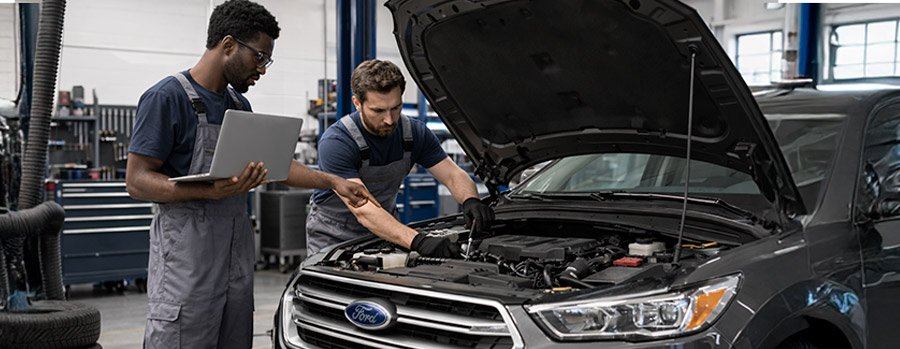
If
you're looking for Ford service in Jacksonville, Duval Ford can help assess
your battery's condition, investigate starting problems, and determine whether
replacement is necessary.
Whether
you need a battery test, assistance diagnosing repeated power loss, or a
replacement battery suited to your Ford, our service team can help you identify
the right next step.
Schedule your service appointment with Duval Ford today and help keep your vehicle ready for the road ahead.